
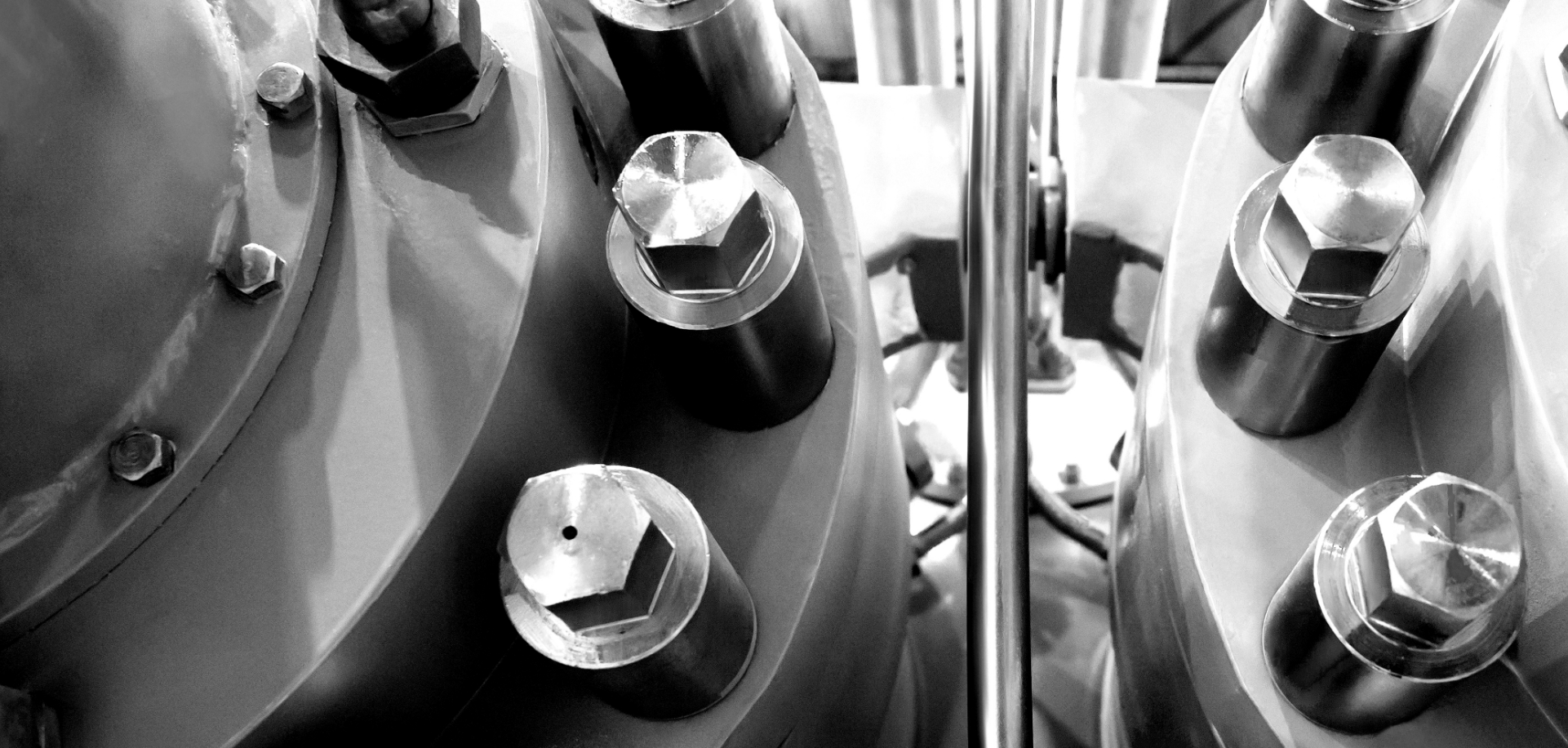
Renewable energy projects often focus attention on turbines, solar arrays, or large-scale infrastructure, but the smaller engineered components behind these systems also play an important role. Fasteners, pipe fittings, flanges, and machined parts all contribute to how safely and reliably renewable energy assets operate over time.
As the sector continues to grow, manufacturers supporting renewable energy projects are increasingly being asked to meet demanding technical and environmental requirements. In practice, this means producing components that can perform reliably in challenging conditions while also meeting strict quality standards.
Why are engineered components so important in renewable energy?
Renewable energy systems operate in environments that place constant stress on equipment. Offshore wind farms face saltwater exposure and vibration, while energy processing facilities often operate under changing temperatures and pressures.
Components such as nuclear fasteners and nuclear fittings may be used in energy related applications where traceability, strength, and long term durability are critical. Even relatively small parts can affect the overall stability of larger systems.
If a component fails prematurely, the cost and disruption involved in accessing and repairing energy infrastructure can be significant.
How do material choices affect renewable energy projects?
Material selection is one of the most important parts of manufacturing for the energy sector. Renewable energy infrastructure is often expected to remain operational for decades, so components must cope with corrosion, mechanical stress, and environmental exposure over long periods. Stainless steels, specialist alloys, and coated materials are frequently chosen for this reason.
For example, nuclear nuts and related components may require materials capable of maintaining integrity under demanding operational conditions. The focus is not only on strength, but also on consistency and reliability throughout the lifespan of the equipment.
Why is traceability important in the energy sector?
Traceability allows manufacturers and project operators to track where materials came from, how components were produced, and whether they meet the required specifications.
In sectors linked to energy generation, including nuclear related projects, this level of documentation is often expected as part of quality assurance processes. Nuclear fasteners and nuclear fittings may need to be fully traceable from raw material through to final inspection.
From an operational perspective, this provides confidence that components meet the required standards and can be identified if issues arise later.
How does bespoke manufacturing support renewable infrastructure?
Renewable energy projects are rarely identical. Different environments, layouts, and engineering demands often require custom solutions rather than off the shelf components.
This is where bespoke manufacturing becomes important. Pipe fittings, flanges, and specialist fixings can be produced to match exact project specifications, whether that involves unusual dimensions, material grades, or coatings.
Tailored manufacturing helps engineers integrate components more effectively into wider systems without relying on unsuitable compromises.
What role does quality control play?
Quality control is especially important in energy related industries because components are often installed in locations where replacement is difficult or expensive.
Testing, dimensional checks, and material verification all help reduce the likelihood of faults reaching site. Nuclear nuts and other specialist fasteners are commonly subject to strict inspection processes before use.
For manufacturers, this level of checking is part of ensuring long term reliability rather than simply meeting immediate production targets.
How is the renewable energy sector changing manufacturing demands?
As renewable infrastructure expands, manufacturers are increasingly being asked to balance durability with efficiency. There is greater demand for corrosion resistant materials, precision machining, and components capable of supporting long service intervals.
The sector is also placing more emphasis on supply chain reliability. Delays in specialist parts can affect installation schedules and maintenance planning across wider projects.
This means that manufacturers supporting renewable energy projects often need to combine flexibility with consistent quality standards.
Why do smaller components have such a large impact?
Large energy systems rely on thousands of individual engineered parts working together reliably over long periods.
While turbines, processing systems, and infrastructure may attract the most attention, components such as nuclear fasteners, nuclear fittings, and nuclear nuts often play a quiet but essential role in maintaining structural integrity and operational safety.
Over time, the reliability of these smaller parts contributes directly to how efficiently renewable energy infrastructure performs in the real world.
FAQs
Why are specialist fasteners important in renewable energy?
They help maintain structural integrity and reliability in demanding operating environments.
What are nuclear fasteners used for?
They are designed for applications where traceability, durability, and strict quality standards are required.
Why is material selection important in energy infrastructure?
Materials need to withstand corrosion, stress, and environmental exposure over long periods.
What are nuclear fittings?
These are engineered fittings manufactured to meet specific standards used in energy related systems.
How does bespoke manufacturing support renewable projects?
Custom components allow engineers to meet exact project requirements and operating conditions.


