
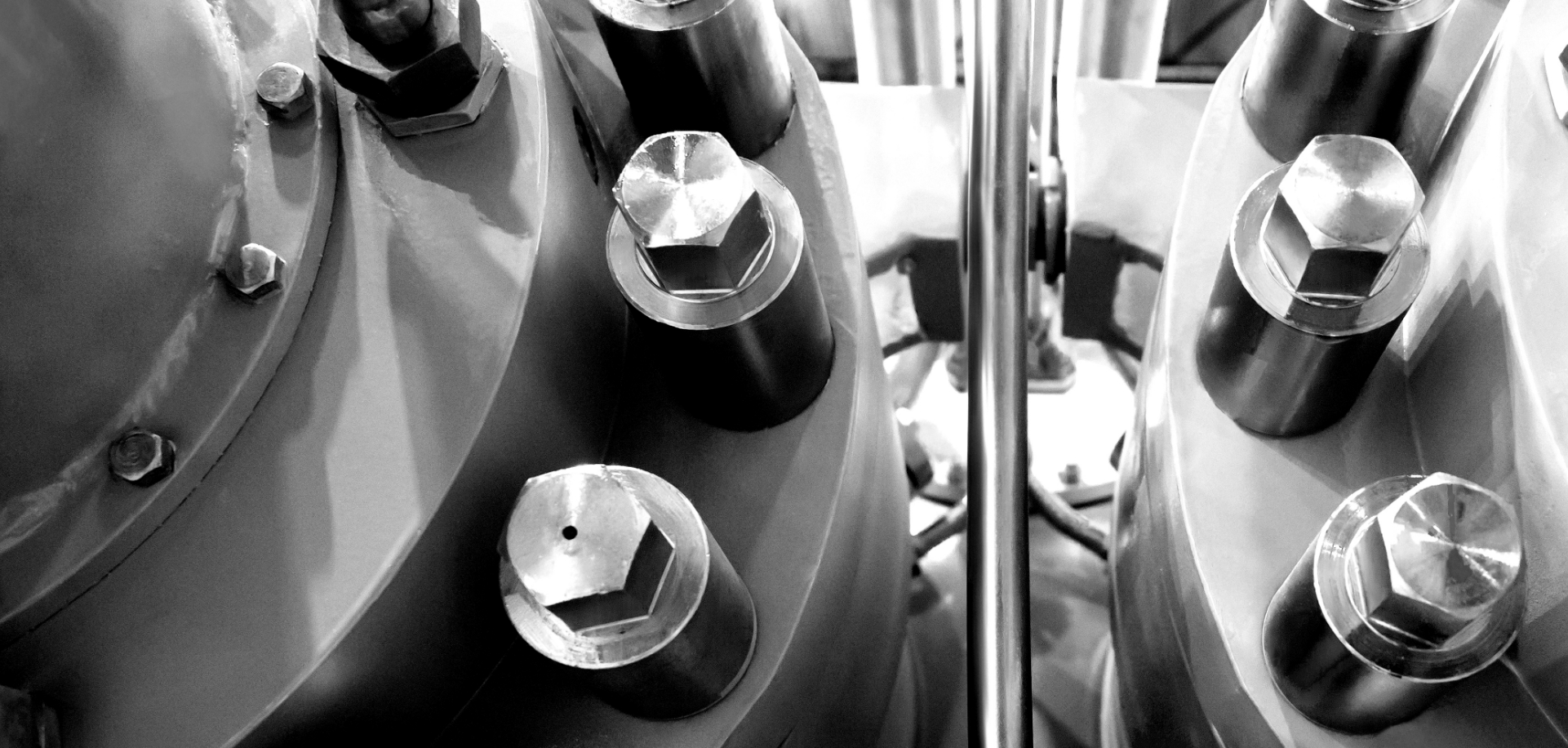
Manufacturing equipment for the pharmaceutical industry demands a high level of precision. Production facilities must operate in controlled environments where cleanliness, consistency and reliability are essential. Every component, from pipework and flanges to custom fasteners and specialist fixings, plays a part in helping equipment perform as intended.
Fabrication for pharmaceutical applications often requires more than simply selecting standard parts from a catalogue. Components frequently need to be manufactured to precise dimensions and specifications so they integrate accurately with processing equipment, cleanrooms and production systems.
Why does the pharmaceutical sector require specialist fabrication?
Pharmaceutical manufacturing involves processes where even small inconsistencies can create unnecessary downtime or make maintenance more difficult. Equipment is regularly cleaned, inspected and maintained, so fabricated components need to withstand repeated use without compromising performance.
Many production systems contain bespoke assemblies that require accurately machined components and custom bolts designed to fit exact dimensions. This level of precision helps engineers to assemble equipment correctly while maintaining the integrity of the overall system.
Specialist fabrication also allows manufacturers to replace individual components without redesigning an entire assembly, helping to reduce disruption during planned maintenance.
How do materials influence fabrication?
Material selection is one of the earliest decisions in any fabrication project. Stainless steel is commonly chosen because it offers excellent corrosion resistance and performs well in environments where regular cleaning is required. Depending on the application, other specialist alloys may also be selected where additional strength, temperature resistance or chemical compatibility is needed.
The chosen material influences machining techniques, welding processes and finishing methods. It can also affect how long a component performs before replacement becomes necessary.
Whether producing flanges, pipe fittings or custom fasteners, selecting the appropriate material helps ensure each component performs reliably within its intended environment.
Why are bespoke components often preferred?
Standard components can often be suitable for general engineering projects, but pharmaceutical equipment frequently includes machinery designed around specific production processes.
This is where bespoke manufacturing becomes valuable. Engineers may require custom bolts with non-standard dimensions, specialist threads, or particular material grades to suit existing equipment. Similarly, custom fasteners can be manufactured to accommodate unique assembly requirements where off-the-shelf products simply do not provide the required fit.
Producing components to drawing allows manufacturers to match existing equipment accurately, reducing the need for modifications during installation.
How does precision manufacturing support long term performance?
Accuracy during manufacturing helps simplify installation and ongoing maintenance. Components manufactured to tight tolerances generally fit together more consistently, reducing unnecessary adjustment during assembly. For maintenance teams, this can make routine servicing quicker and help minimise equipment downtime.
Quality control also forms an important part of the manufacturing process. Dimensional inspections, material verification, and finishing checks all help confirm that components meet the required specification before they are supplied.
Whether producing a single prototype or a larger production run of custom fasteners and custom bolts, consistency throughout manufacturing contributes to dependable long-term performance.
What should engineers consider when specifying fabricated components?
Successful fabrication begins with clear technical information. Providing detailed drawings, material specifications, dimensional tolerances and information about the operating environment helps manufacturers produce components that meet the application’s requirements. Considering future maintenance requirements can also influence design decisions, particularly where components will require regular removal or replacement.
By combining accurate specifications with precision manufacturing, pharmaceutical businesses can obtain fabricated components that integrate effectively into complex production systems while supporting reliable day to day operation.
FAQs
Why does the pharmaceutical industry often require bespoke fabricated components?
Many pharmaceutical production systems are designed for specific processes, meaning standard components may not always provide the correct fit or performance.
What are custom fasteners?
Custom fasteners are specially manufactured fixings produced to unique dimensions, materials or specifications rather than standard catalogue sizes.
Why are custom bolts used in pharmaceutical equipment?
Custom bolts allow engineers to match existing equipment accurately, particularly where non-standard dimensions or specialist materials are required.
Which materials are commonly used in pharmaceutical fabrication?
Stainless steel is widely used because of its corrosion resistance and suitability for environments that require regular cleaning. Other specialist alloys may also be selected depending on the application.
Why is precision manufacturing important?
Precision manufacturing helps components fit correctly, supports reliable equipment performance and can simplify future maintenance by ensuring consistent quality across every part.


