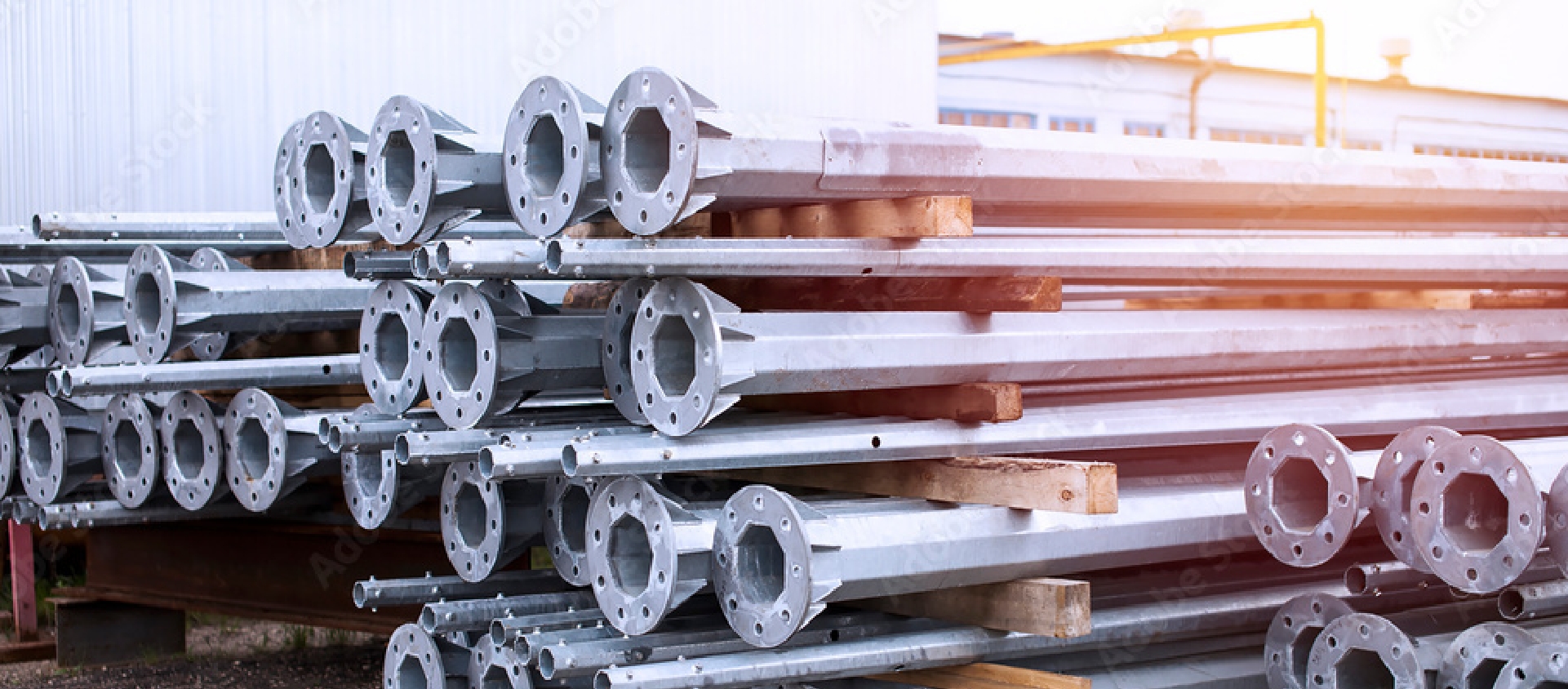
Studbolts are a familiar sight in pipelines, pressure vessels and heavy industrial assemblies, particularly where two flanges need to be clamped together securely.
At first glance, they can look like simple threaded rods. Their actual job is more demanding. Studbolts may need to maintain clamping force while exposed to pressure, vibration, high temperatures or corrosive environments, which is why material grade, thread form and installation method all matter.
Canmec manufactures studbolts for applications including oil and gas, petrochemical, construction and power generation, with products available in a range of materials and recognised international specifications.
What Is a Studbolt?
A studbolt is typically a threaded fastener without a conventional bolt head. Many industrial studbolts are threaded along their full usable length and fitted with a nut at each end.
When used in a flanged joint, the stud passes through aligned holes in both flanges. Nuts are then tightened from either side to create the clamping force required to hold the joint together.
This arrangement differs from a conventional bolt, where one end has an integral head.
Studbolts can be particularly practical where access is needed from both sides of a joint or where the fastener forms part of a standardised pressure-containing assembly.
Why Are Studbolts Commonly Used With Flanges?
Pipeline flanges need enough clamping force to compress the gasket between them and maintain a reliable seal.
Studbolts allow that force to be applied evenly around the joint. They can also make assembly and maintenance straightforward because either nut can be removed when the connection needs to be dismantled.
The tightening sequence matters. Applying full torque to one side of a flange before tightening the other fasteners can compress the gasket unevenly. Industrial bolted-joint procedures therefore commonly use staged tightening patterns so the load is distributed progressively around the flange.
Where Are Studbolts Typically Used?
Studbolts are widely used in industries where joints need to remain secure under demanding operating conditions.
Common applications include:
- Pipeline flange connections
- Pressure vessels
- Petrochemical equipment
- Refineries
- Power-generation systems
- Offshore installations
- Heavy machinery
- Structural and industrial assemblies
The operating environment determines which material and specification is appropriate.
Which Materials Are Used for Studbolts?
There is no single studbolt material that suits every application. Carbon steels and chromium-molybdenum alloy steels are common where high strength and elevated-temperature performance are required. Stainless steels may be selected where corrosion resistance is more important.
More demanding environments can call for duplex, super duplex, super austenitic stainless steels, nickel alloys or other specialist materials. Canmec’s fastener material range includes all of these categories.
Material selection should reflect factors such as temperature, pressure, chemical exposure and the specification applying to the complete joint.
What Standards Apply to Studbolts?
Industrial studbolts are often manufactured to recognised standards rather than simply being ordered by diameter and length.
Canmec manufactures components to standards including ASTM, DIN and BS, alongside bespoke customer drawings.
One commonly encountered specification in pressure and pipeline applications is ASTM A193. For example, ASTM A193 Grade B7 studbolts may be paired with suitable ASTM A194 nuts in certain flanged petroleum installations.
The correct standard should always come from the engineering specification rather than being chosen purely because a particular grade is readily available.
How Are Studbolts Different From Ordinary Studs?
The terminology can overlap. A stud is a broad category of headless threaded fastener. Studbolts are commonly associated with flange bolting and other heavy industrial connections where nuts are fitted at both ends.
Canmec’s wider stud range also includes double-ended studs, waisted studs, engineer studs, tie bars and collar studs.
This is why stating simply that a project needs “studs” may not provide enough information. Diameter, thread form, overall length, material grade and applicable standard should all be confirmed.
Why Does Correct Specification Matter?
A studbolt forms part of the complete mechanical joint, so apparently small differences can matter.
Using the wrong material may create problems at high temperatures or in corrosive environments. An incorrect thread can prevent the correct nut from being fitted, while the wrong length can leave insufficient thread engagement.
For critical applications, traceability and certification may also be required. Canmec supplies certified fasteners and components to standards including ANSI, API, ASME, ASTM and NACE where specified.
Getting the studbolt specification right therefore means looking at the complete operating conditions, rather than treating it as a simple threaded rod.
FAQs
What Is a Studbolt?
A studbolt is a headless threaded fastener, commonly fully threaded, that is usually fitted with nuts at both ends to clamp components together.
Why Are Studbolts Used on Pipe Flanges?
They allow controlled clamping force to be applied around the flange, helping compress the gasket and maintain the joint.
Are Studbolts Fully Threaded?
Many flange studbolts are fully threaded, although other types of studs may have unthreaded sections or different end configurations.
What Materials Are Studbolts Made From?
Common materials include carbon steel, alloy steel and stainless steel, with duplex, super duplex and nickel alloys available for more demanding environments.
What Information Is Needed When Ordering Studbolts?
Typically, you should confirm the diameter, thread form, length, material grade, required standard, quantity and any certification or coating requirements.